A Complete Guide to Tile Installation Services: What You Should Know
The tile installation process can be both rewarding and complex. Homeowners often face decisions about materials and budgets, alongside the need for skilled professionals. Having a clear understanding of what to expect during this process is crucial. From choosing the appropriate tiles to caring for them after installation, various factors can influence the outcome. What challenges might arise, and how can one navigate them effectively? Answers to these questions will shape the overall experience and satisfaction with the project.
Finding the Perfect Tile Materials for Your Project
When commencing a tile installation undertaking, homeowners often emphasize picking the right tile materials. The choosing process matching information includes various factors, including strength, appearance, and installation requirements. Popular materials include ceramic, porcelain, and natural stone, each offering distinct advantages and challenges.
Ceramic tiles are favored for their adaptability and affordability, making them well-suited for a wide range of rooms. Porcelain tiles, recognized for their durability and moisture resistance, are ideal for heavily used spaces and humid conditions. Natural stone varieties, like marble or granite, delivers an elegant aesthetic but demands additional upkeep and attention.
Property owners should keep in mind the tiling's pattern, size, and finish to accomplish the intended visual impact. At the end of the day, the right choice of material can enhance the overall appeal and functionality of the room, making sure the installation satisfies both functional requirements and design preferences.
What to Anticipate During Your Tile Installation
Throughout a tile installation project, homeowners can expect a series of critical preparation steps in advance of the installation day. Being aware of what happens at the property, from the preliminary setup to the hands-on tile laying process, is vital for a seamless process. This section details these key steps to help clients stay well-informed and confident.
Steps to Prepare Before Installation
Preparation is essential for a smooth and successful tile installation, providing a efficient process and excellent results. It is recommended that homeowners begin by emptying the installation area of all furniture and clutter, establishing a clean workspace for installers. Next, evaluating the subfloor is vital; it must be level and free of damage to properly support the new tile installation. Any necessary repairs to the subfloor should be completed in advance. Moreover, picking the correct tile style and pattern can affect both the visual appeal and practicality, so homeowners are encouraged to discuss options with experienced professionals. To conclude, reviewing the timeline and required supplies with the installation team will ensure expectations are met and the project begins without issues. Thorough preparation sets the stage for a successful installation.
Installation Day Expectations
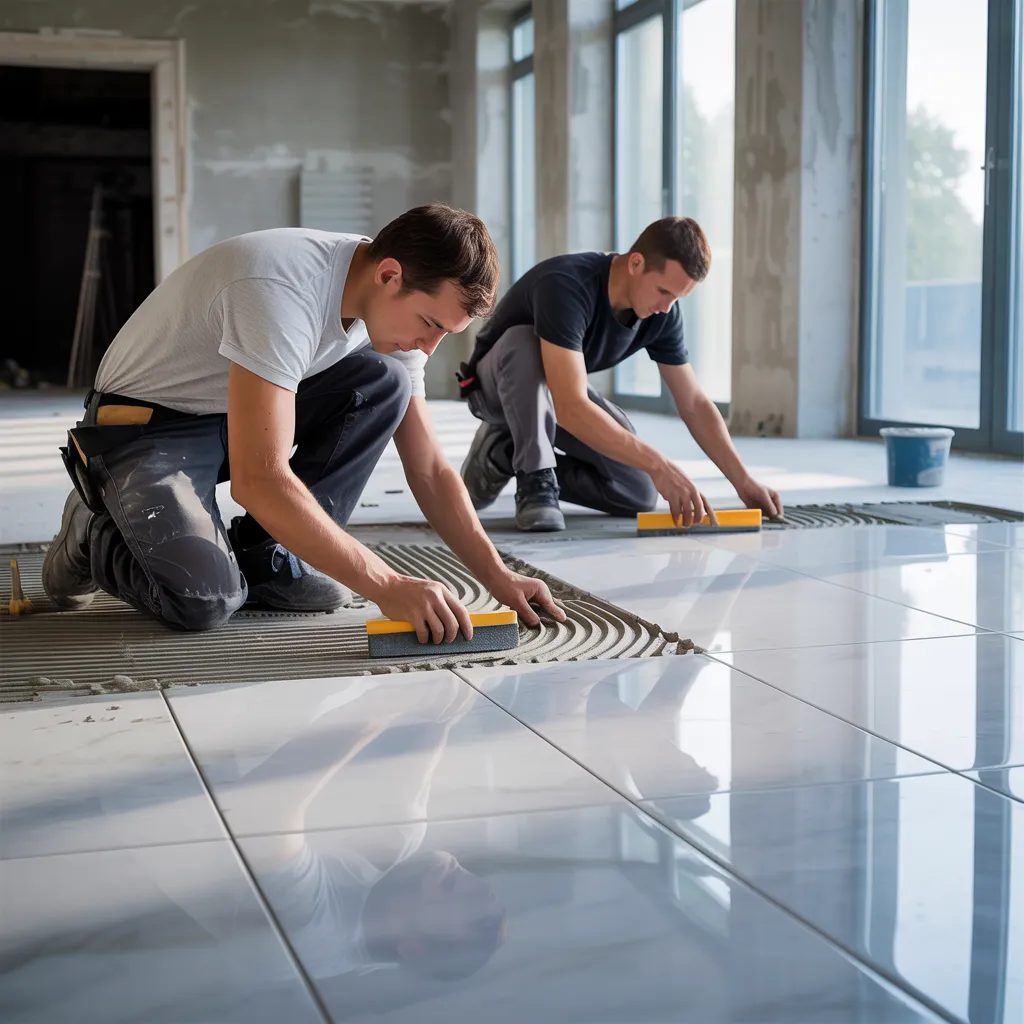
Installation day unfolds with an organized set of procedures that secure a smooth and successful tile installation. The installation team typically arrives early, armed with all required tools and supplies. The team initiates by setting up the work area, making sure it is tidy and clear of any obstructions. Following this, the team will measure and mark the layout, allowing for precise tile placement. When they start placing the tiles, they focus on maintaining even spacing and alignment, commonly employing tile spacers for greater accuracy. Based on the total area being covered, the work may require a number of hours to complete. Upon finishing the installation, the installers will clean the workspace and share instructions on grout curing time. Homeowners can expect professionalism and attention to detail throughout the entire installation process.
How to Hire the Best Tile Installation Professionals
When seeking the top tile installation professionals, how can one ensure that the chosen experts possess the necessary skills and reliability? First, researching local professionals online can yield helpful details. Feedback and testimonials from past customers often reveal the standard of work and expertise.
Furthermore, gathering multiple estimates facilitates comparison of services and pricing, aiding in sound decision-making. One must confirm that the professionals are certified and insured, as this provides protection against potential liabilities.
Furthermore, looking at a collection of previous work can showcase the professional's experience and style, confirming compatibility with individual tastes.
Ultimately, holding interviews can assist in gauging communication skills and professionalism, vital for a strong professional relationship. By following these steps, you can confidently select professional tile installers who meet their standards and expectations.
Common Challenges You Might Face During Tile Installation
When installing tiles, several challenges can arise that might influence the end result. Issues related to surface preparation can cause an uneven finish, while misalignment of tiles might result in a visually unappealing finish. Addressing these challenges is vital for achieving a professional-looking installation.
Surface Preparation Challenges
Adequate surface preparation is critical for a successful tile installation, as it directly impacts the longevity and appearance of the final result. One of the primary challenges often encountered is the existence of irregular surfaces. Such irregularities can result in tiles breaking or loosening with time. Additionally, moisture issues can arise if the surface is insufficiently dried or properly sealed, leading to mold development and structural damage. Remnants of debris, dust, or existing adhesive can likewise impede adequate bonding, jeopardizing the overall integrity of the tiled surface. In some cases, inadequate leveling compounds may be used, leading to additional complications. Resolving these surface preparation challenges is essential for achieving a seamless and long-lasting tile installation, which in turn promotes the complete satisfaction of the finished project.
Tile Alignment Issues
Issues with surface preparation can often lead to misaligned tiles, which are among the most common challenges faced during installation. Surfaces that are not level or plumb are known to produce tiles that fall out of alignment, creating gaps or lippage between adjacent tiles. Moreover, inadequate spacing between tiles can further exacerbate alignment issues. If tiles are not set in a straight line, it can disrupt the aesthetic appeal and compromise the overall integrity of the installation. Poor adhesive application may also contribute to movement during the curing process, causing tiles to slip out of position. To effectively prevent such issues, meticulous surface preparation, accurate measurements, and consistent spacing are vital. Hiring experienced tile installation professionals can help guarantee that alignment remains precise throughout the installation process, delivering a beautiful and long-lasting final result.
Helpful Tips for Preserving Your Tiles After Installation
Preserving tiles after installation is vital for maintaining their look and lifespan. Routine cleaning is essential; using a pH-balanced cleaner specifically designed for tiles works to avoid damage. Do not use aggressive chemicals that can degrade grout and tile surfaces. For day-to-day maintenance, a gentle broom or vacuum cleaner can sweep away debris without scratching the surface.
Spills need to be handled immediately to prevent staining, particularly on natural stone tiles. Additionally, resealing grout lines on an annual to biannual basis provides a barrier against moisture and mildew.
It's advisable to position mats in busy areas to limit surface deterioration. Periodic examination for damaged or shifting tiles can stop more serious damage from developing. When necessary, professional deep cleaning can rejuvenate the tile's appearance.
How Much Does Tile Installation Cost to Budget For?
What is the best way for homeowners to plan a budget for tile installation? Understanding the costs involved is essential for accurate budgeting. The overall cost generally covers materials, labor, and extra charges like underlayment or old flooring removal. The cost of tiles may vary from $1 to $15 per square foot based on the type and quality selected. Labor expenses generally account for an extra $5 to $10 per square foot, shaped by the difficulty of the installation process.
Homeowners ought to factor in additional costs, including grout, adhesive, and tools. It is recommended to set aside a contingency of ten to twenty percent for unanticipated complications or material surpluses. In addition, requesting numerous bids from contractors can give a more accurate understanding of the market rate. Overall, a well-researched budget will assist homeowners in making sound decisions and eliminate unanticipated financial stress throughout the tiling installation project.
Frequently Asked Questions
How Much Time Does Tile Installation Usually Take for a Standard Room?
Installing tiles in a typical room generally needs anywhere from one to three days, based on variables such as the room size, tile type, and complexity of the layout. The time needed for prep work and drying can further lengthen the entire project.
Am I Able to Install Tiles Over My Existing Flooring?
Tiles can indeed be placed over current flooring, provided the surface is clean, level, and structurally sound. Nevertheless, adequate assessment and preparation are critical to achieving a reliable and long-lasting result.
What Kind of Grout Should I Choose for My Tiles?
For tile installations, grout types include unsanded, sanded, and epoxy. Sanded grout suits wider joints, unsanded grout is perfect for tighter spaces, and epoxy delivers exceptional durability and stain resistance, making it the preferred option for high-moisture environments.
Is It Necessary to Seal My Tiles After They Are Installed?
Yes, sealing tiles after installation is generally recommended. It boosts durability, reduces the risk of stains, and offers protection from moisture. The need for sealing can differ based on the type of tile and its location, so consulting a professional is advisable.
What Are the Top Tools for DIY Tile Installation?
For DIY tile installation, key tools consist of a tile cutter, trowel, level, spacers, grouting float, and a rubber-headed mallet. Protective equipment like protective goggles and knee pads also provides a more comfortable and safer workspace.
Comments on “Expert Tile Installation in Melbourne for Walls”